Ignazio Gardella
Oleggio, 1905 – Oleggio, 1999
Architect and designer.
Ignazio Gardella was one of the most influential figures in Italian architecture and design of the 20th century. Born in Oleggio in 1905 into a family of architects, he graduated in Engineering from the Regio Istituto Tecnico Superiore of Milan in 1928 and subsequently in Architecture from the Politecnico di Milano in 1949.
His architectural practice developed through a continuous dialogue between modernity and tradition, combining rigorous attention to structure and materials with a refined sensitivity to proportion, space, and context. Rather than adhering to a single stylistic language, Gardella developed an architectural vocabulary capable of adapting to different scales and functions, from residential buildings to public and cultural projects.
Among his most celebrated works are the Casa del Viticultore in Oleggio, the Casa Borsalino in Alessandria, the Casa alle Zattere in Venice, and the Olivetti headquarters in Ivrea. His architecture is distinguished by a remarkable balance between formal clarity, functionality, and a deep understanding of the relationship between buildings and their surroundings.
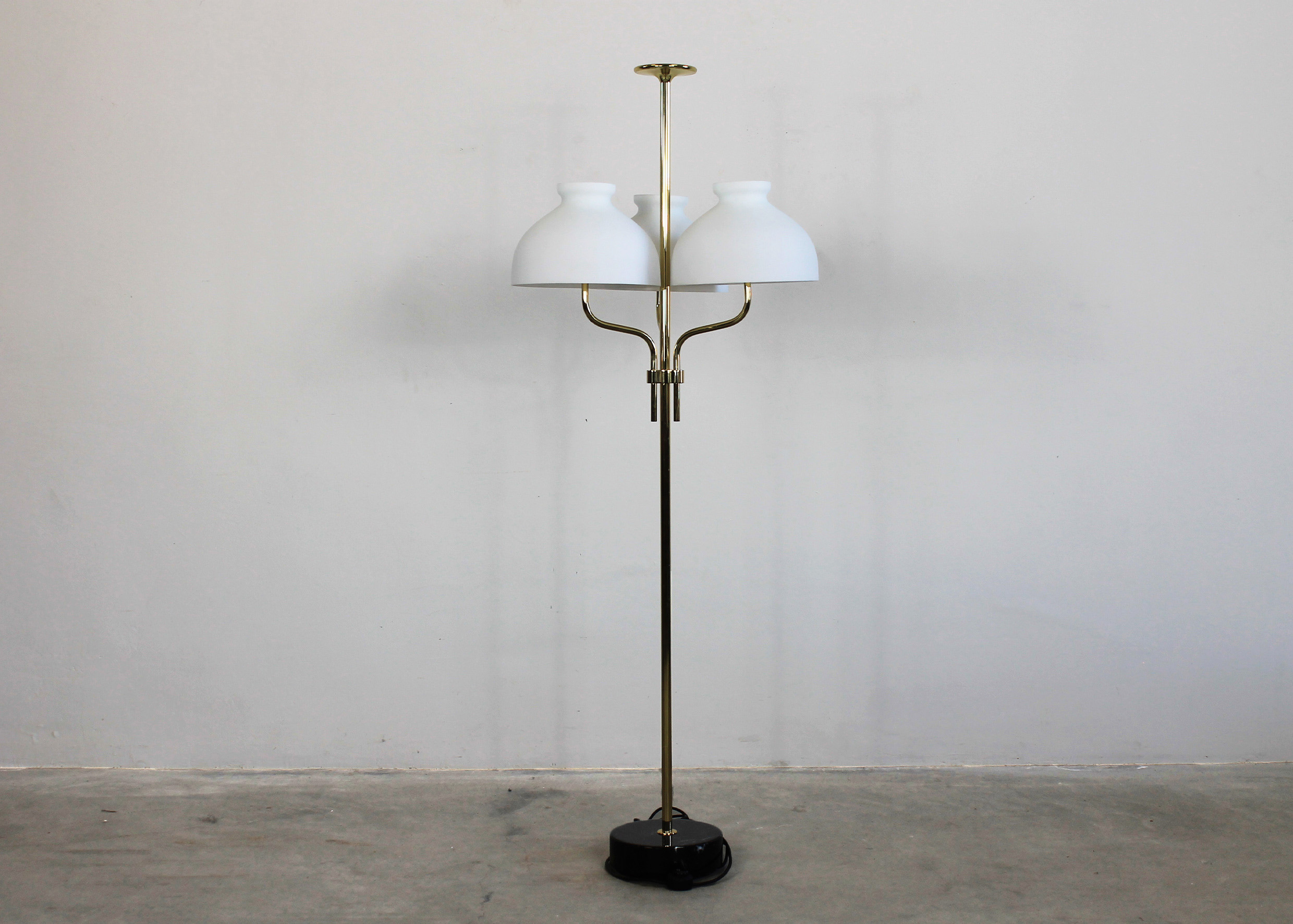
Gardella was also a central figure in the development of Italian post-war design. His furniture and lighting designs, created in collaboration with leading Italian manufacturers, are characterized by an essential yet sophisticated language, in which technical innovation and everyday functionality coexist with a strong architectural sensibility.
His work has been widely recognized and exhibited internationally. In 1956 he was awarded the prestigious Compasso d’Oro for the design of the LTA6 chair, and throughout his career he received numerous awards for both architecture and design.
Gardella’s contribution to Italian modernism lies in his ability to reconcile rationality with human experience, creating works that remain rigorous, functional, and timeless while maintaining a strong connection to their cultural and architectural context.